The best time to visit Bali
Bali is close to the equator with a tropical climate, resulting in fairly consistent 30c temperatures year-round. There are dry and rainy seasons, but it’s not just the weather that dictates when you should go.
Here's how to read the calendar.
The dry season: April to October
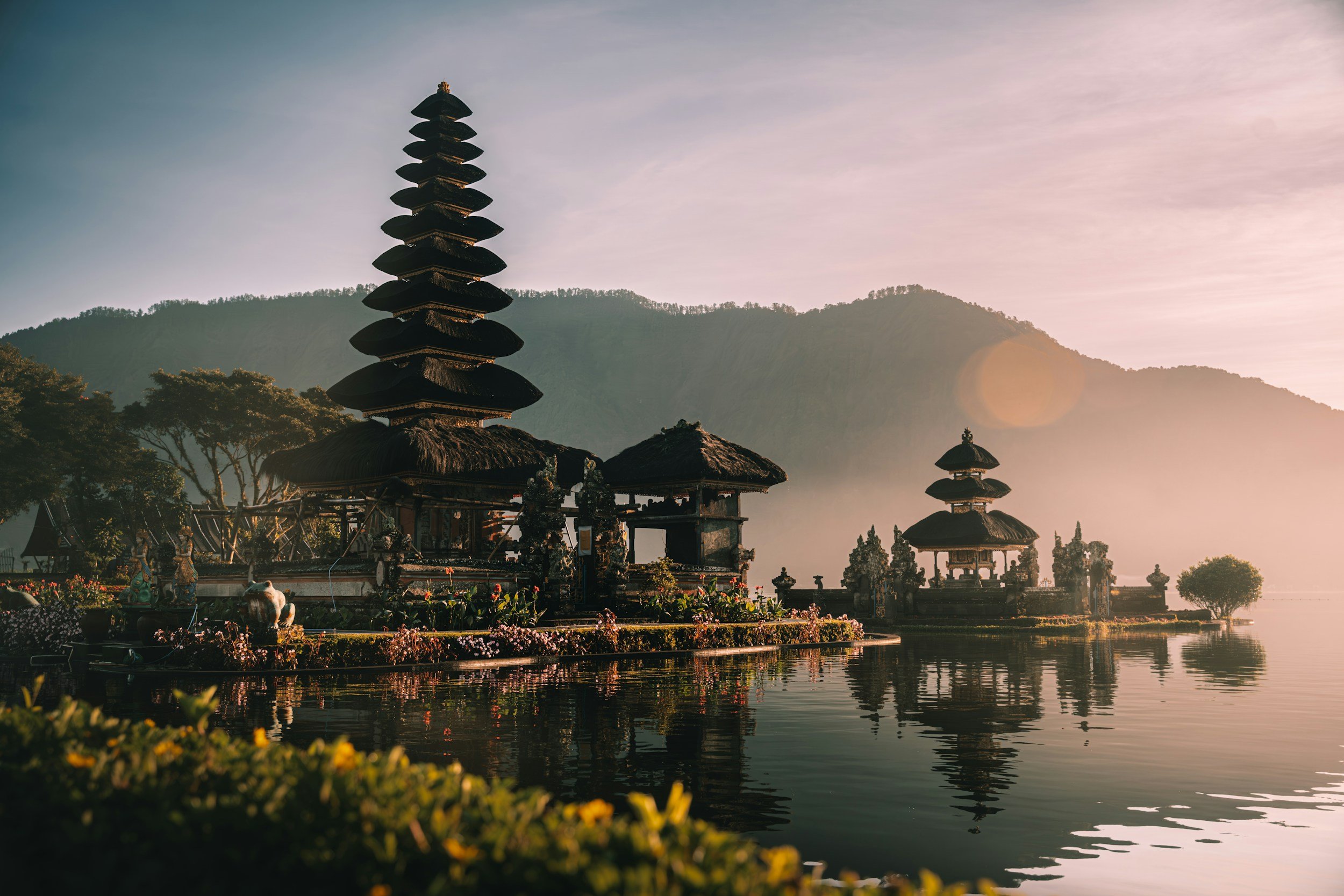
Bali's dry season runs from roughly April through to October, and this is when the island is at its most beautiful. Days are warm and largely sunny, humidity drops to something manageable, and the rice terraces around Ubud are in full, vivid green.
July and August are peak season, full stop. School holidays bring a significant surge in visitors from Australia, Europe and beyond, prices at the best properties rise accordingly, and popular areas like Seminyak and Ubud can feel genuinely busy. None of that makes it a bad time to go, but it does mean planning ahead and being selective about where you stay.
May, June and September are the sweet spot. You get the dry season weather without the August crowds. If I'm advising a couple who want space and atmosphere over peak-season energy, these are the months I steer them towards.
The rainy season: November to March
Bali's wet season doesn't mean rain all day every day. Typically you'll get heavy downpours in the afternoon, often clearing by evening, with bright mornings that are still very usable. But between December and February in particular, rainfall is heavier and more sustained, roads can flood and outdoor activities become harder to plan around.
That said, we think the wet season has its own appeal. Rates at even the finest villas drop noticeably, the island is quieter and the landscape after the rains is extraordinary (anyone else love that wet-foliage smell?). If your priority is culture and cuisine over beach time and you're comfortable building flexibility into your days, it can be a great option.
December is the exception to the quieter wet season rule. The Christmas and New Year period brings a surge in arrivals and prices spike sharply, often to above peak dry-season rates. Plan early or avoid entirely.
Nyepi: the date to know
Nyepi is Bali's Day of Silence, the Balinese New Year, and it falls in March (the exact date shifts each year). The entire island shuts down for 24 hours. No flights in or out, no vehicles on the road, no leaving your property. It's one of the most remarkable cultural events in Asia, and if you're staying on the island it becomes an extraordinary experience rather than an inconvenience. Worth building a journey around if the timing works.
The day before Nyepi brings the Ogoh-ogoh parade through the streets, with enormous handcrafted effigies carried by torchlight. It's spectacular.
Where you stay changes the picture
Bali isn't one place. The south (Seminyak, Canggu, Uluwatu) is about beaches, restaurants and nightlife. Ubud is about culture, rice terraces and wellness. The north is quieter and less visited. Amed and the east coast are the best base for diving and snorkelling, with Nusa Penida day trips a highlight. Each area has its own microclimate, and a well-built itinerary usually combines two or three of them.
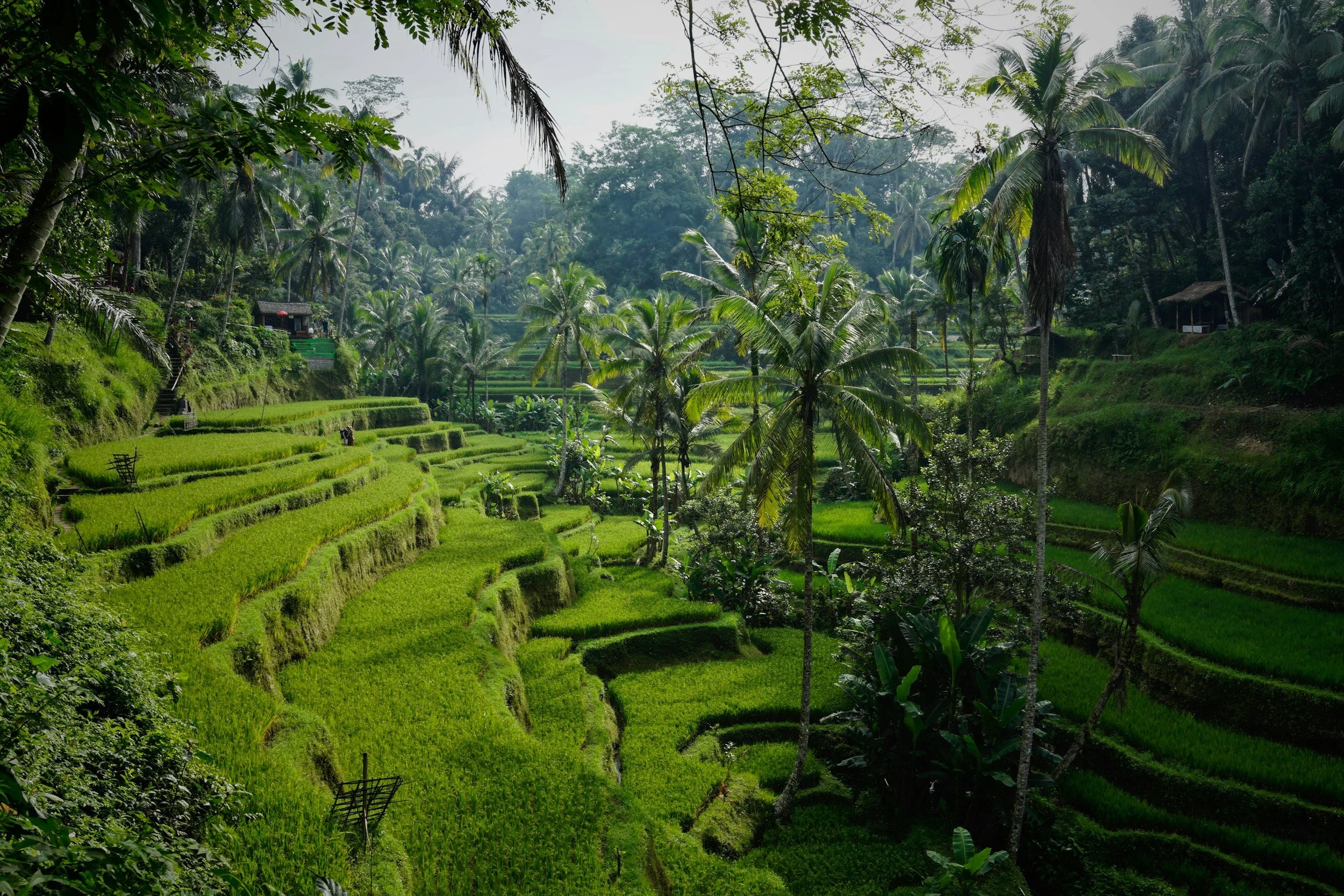
Ubud sits higher in the hills and is cooler and slightly wetter than the coast year-round. It looks its most dramatic in the shoulder months, when the mist rolls over the valley in the mornings and the terraces are at their most vivid. Don't let the occasional shower put you off.
When to go for surf
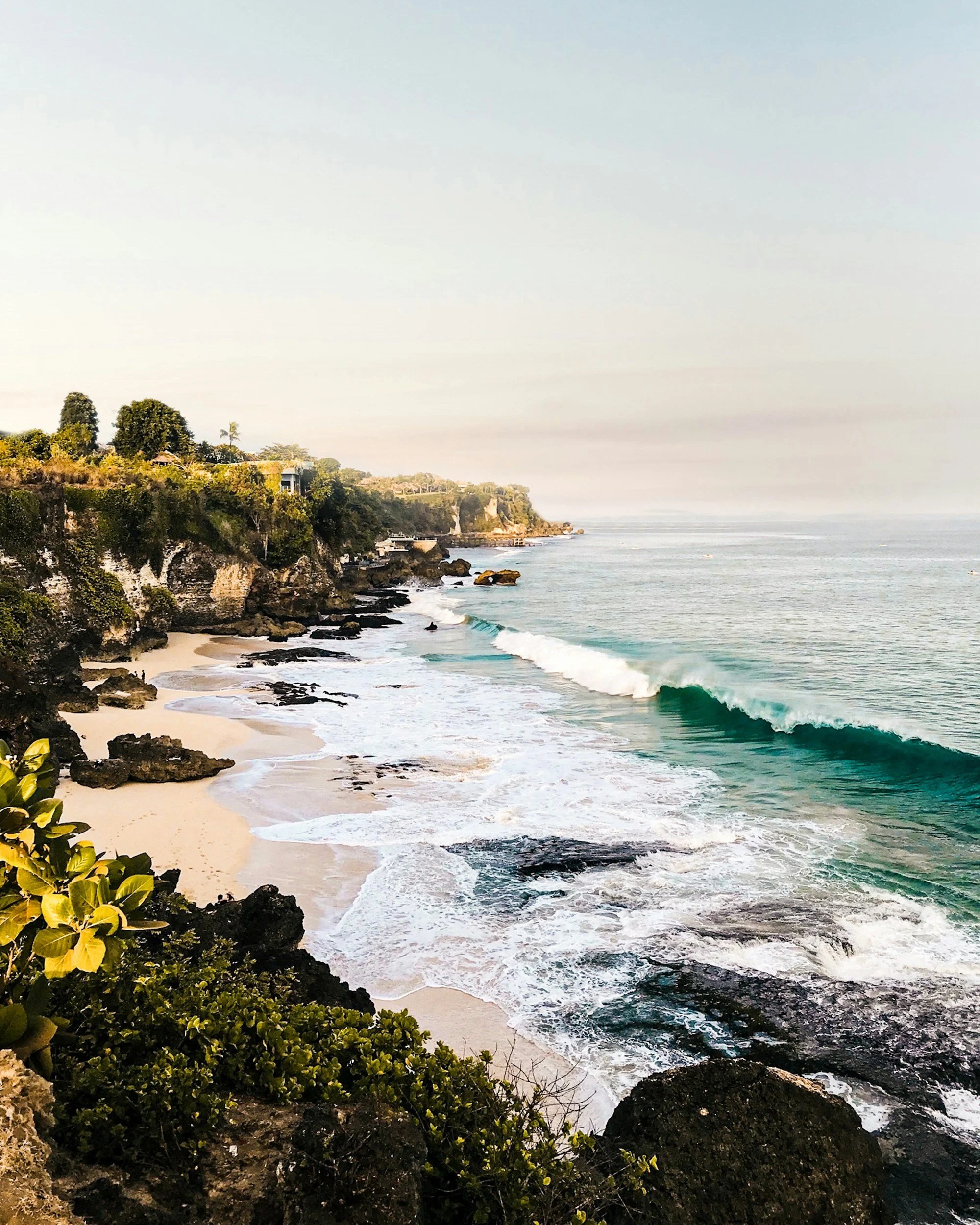
Uluwatu and the Bukit Peninsula pick up the best swells from April to October, which lines up neatly with the dry season. If surfing is part of the plan, the dry season is straightforward. The east coast spots around Amed flip the script and catch different swells during the wetter months, but this is niche territory for experienced surfers rather than a general recommendation.
Our recommendation
For most people, May, June or September hit the right balance: reliable weather, the island at its most photogenic, and enough breathing room to actually enjoy it. July and August work well too if you book the right property and plan ahead, but you'll be paying for the privilege and sharing it with plenty of other travellers.
If you want to combine Bali with a liveaboard to Komodo, September is particularly strong. The water is clear, the komodo dragons are active, and you can finish the journey in Bali's dry season sunshine without any compromise.
However you time it, Bali rewards the well-planned journey and that's where we come in.
Ready to start planning? Get in touch and we'll put together an itinerary that makes the most of your travel window.